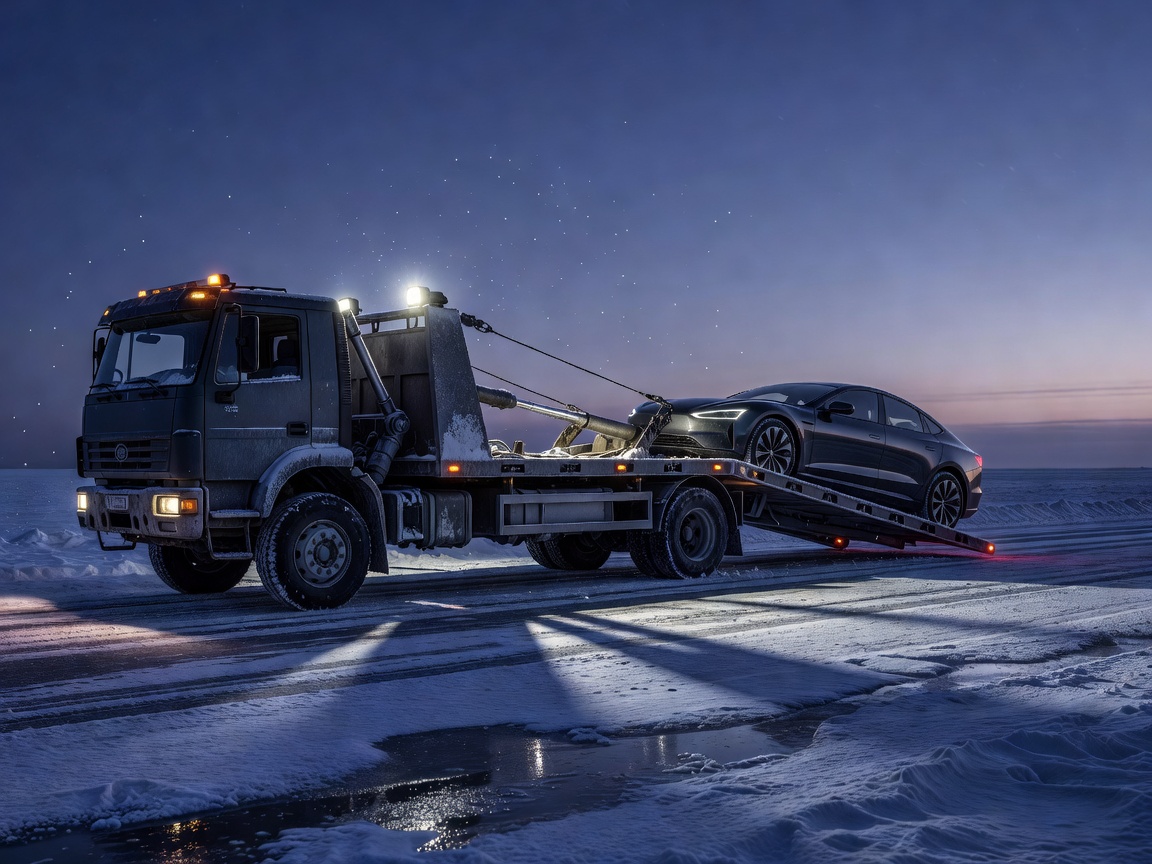
Hydraulic flatbed recovery truck pulling an electric car onto its slidebed platform in winter twilight

The Golden Rule of EV Towing: Always Flatbed

In almost all electric vehicles, permanent-magnet synchronous motors (PMSM) remain mechanically linked to the drive wheels through single-speed reduction gearboxes. There is no traditional neutral disconnect inside the motor housing.

If a vehicle is towed with driven wheels turning along the road surface, the spinning rotors generate intense electromagnetic field current (Back-EMF). This uncontrolled voltage surges into the electronic inverter, risking immediate fires, melted wiring looms, or catastrophic mechanical lockup.

The Flatbed Imperative

Always instruct the emergency dispatcher that your vehicle is an EV and requires a full flatbed recovery vehicle with wheel dollies. Wheel-lift towing (where two wheels roll along the road) must never be permitted unless the manufacturer provides an explicit mechanical wheel decoupler.

What Really Happens When the Battery Reaches 0%?

Modern vehicle software implements multi-tier reserve buffers. When the dashboard indicates 0% State of Charge, most manufacturers maintain a protective energy buffer (typically 1.5 to 3 kWh) to prevent irreversible chemical degradation of the battery cells.

At this point, the vehicle enters "Turtle Mode"—progressively limiting heating output, cabin fans, and acceleration—allowing the driver to pull safely clear of highway lanes onto an emergency shoulder. Once the pack contactors physically snap open, however, the car cannot be restarted until high-voltage charging is re-established.
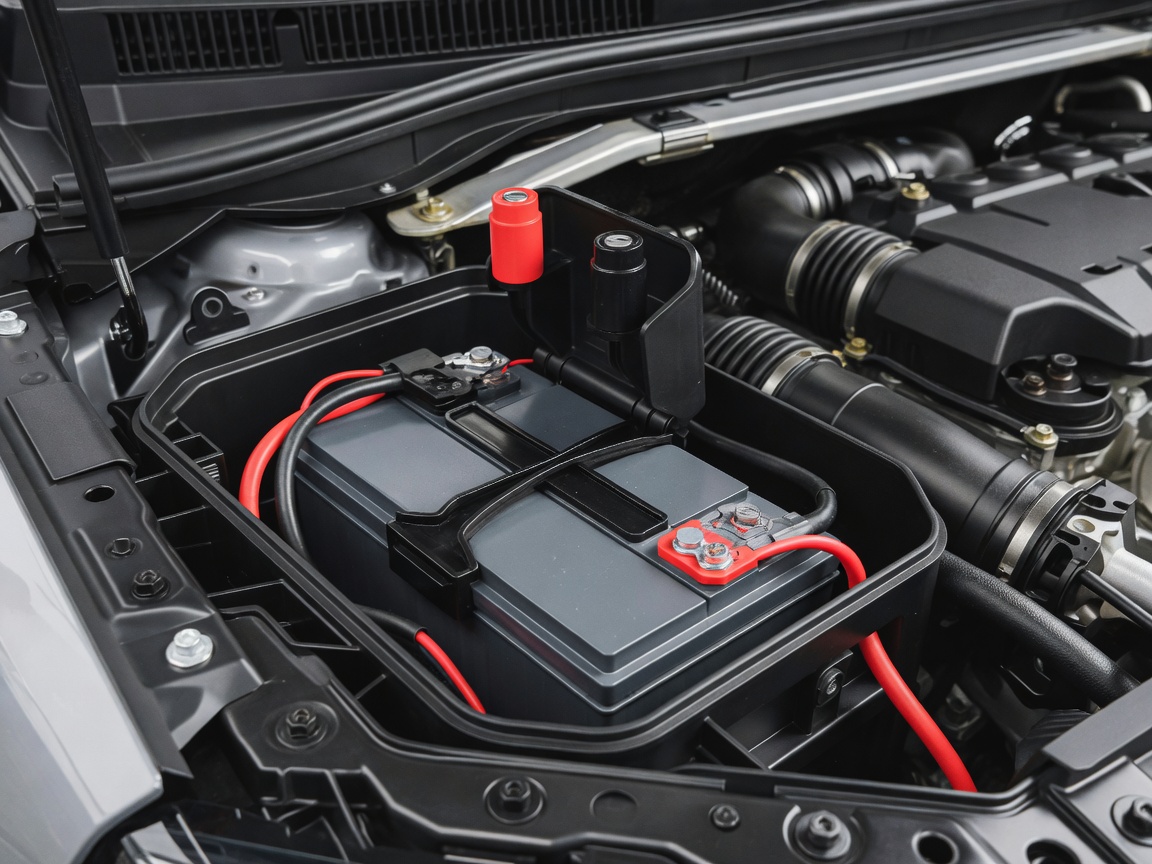
Under-bonnet auxiliary 12V lithium-iron battery compartment and emergency terminal jump points

The Hidden Culprit: The Auxiliary 12-Volt Battery

A surprising percentage of Nordic EV roadside calls have nothing to do with empty main traction packs. The car simply refuses to unlock or power up because the traditional 12-volt auxiliary battery has died.

The main traction pack cannot power the vehicle until massive internal pyrotechnic switches and contactors close. Those contactors, electronic door locks, and onboard computers are powered solely by the modest 12V battery. In sustained sub-zero conditions, older 12V lead-acid cells lose cold-cranking capacity rapidly. Carrying a compact lithium booster pack in your vehicle glove compartment allows you to wake the 12V circuit, after which the main battery can take over.

Essential Winter Survival Kit for Nordic Highway Travel

Waiting for a recovery truck on the E6 across the Dovrefjell plateau or northern Route 45 can take multiple hours during blizzards. Maintain this emergency kit inside the passenger cabin:

  • Reflective Safety Vests: Keep them under front seats, never in the boot where luggage blocks rapid access.
  • Heavy Wool Blankets & Thermal Bivvy Bags: If high-voltage power fails, cabin warmth vanishes within 15 minutes.
  • High-Lumen Rechargeable Headlamp: Working on wheel bolts or towing eyes in total Arctic darkness requires two free hands.
  • Heavy-Duty Folding Snow Shovel: Slush banks plowed by municipal graders will trap low-slung EV underbodies fast.
  • High-Calorie Trail Food & Insulated Thermos: Sustaining body temperature during prolonged cold waits is crucial.

Mastering Sub-Zero Navigation Before It Breaks Down

Avoid roadside recovery completely by mastering winter energy budgets, tyre friction thresholds, and pre-departure routines.