Understanding AC vs. DC: The Fundamental Distinction
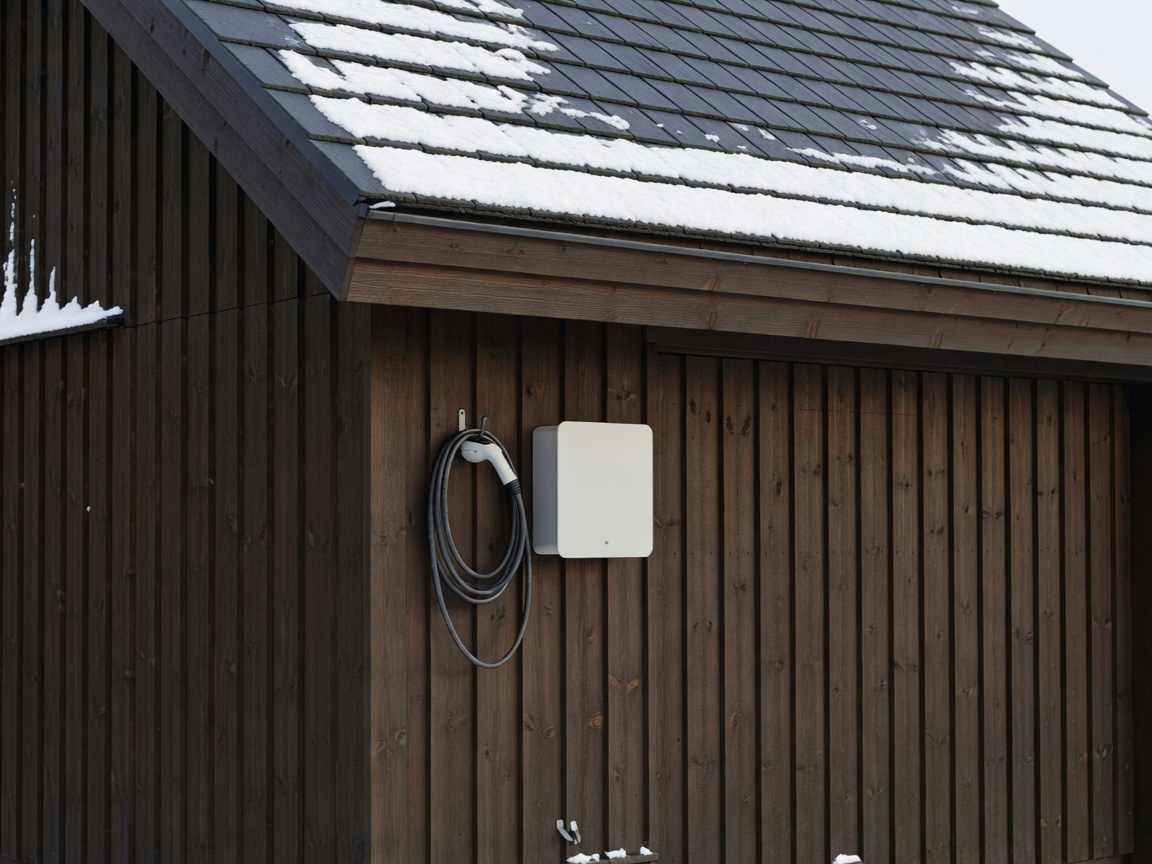
When you plug into an electric vehicle, you are doing one of two fundamentally distinct things. With Alternating Current (AC) charging—standard at Nordic homes, summer cabins, hotel parking stalls, and municipal kerbside posts—the vehicle relies on its internal on-board charger (OBC) to convert wall current into Direct Current (DC) for storage in the high-voltage pack. Most contemporary European EVs carry on-board AC chargers rated between 11 kW and 22 kW.
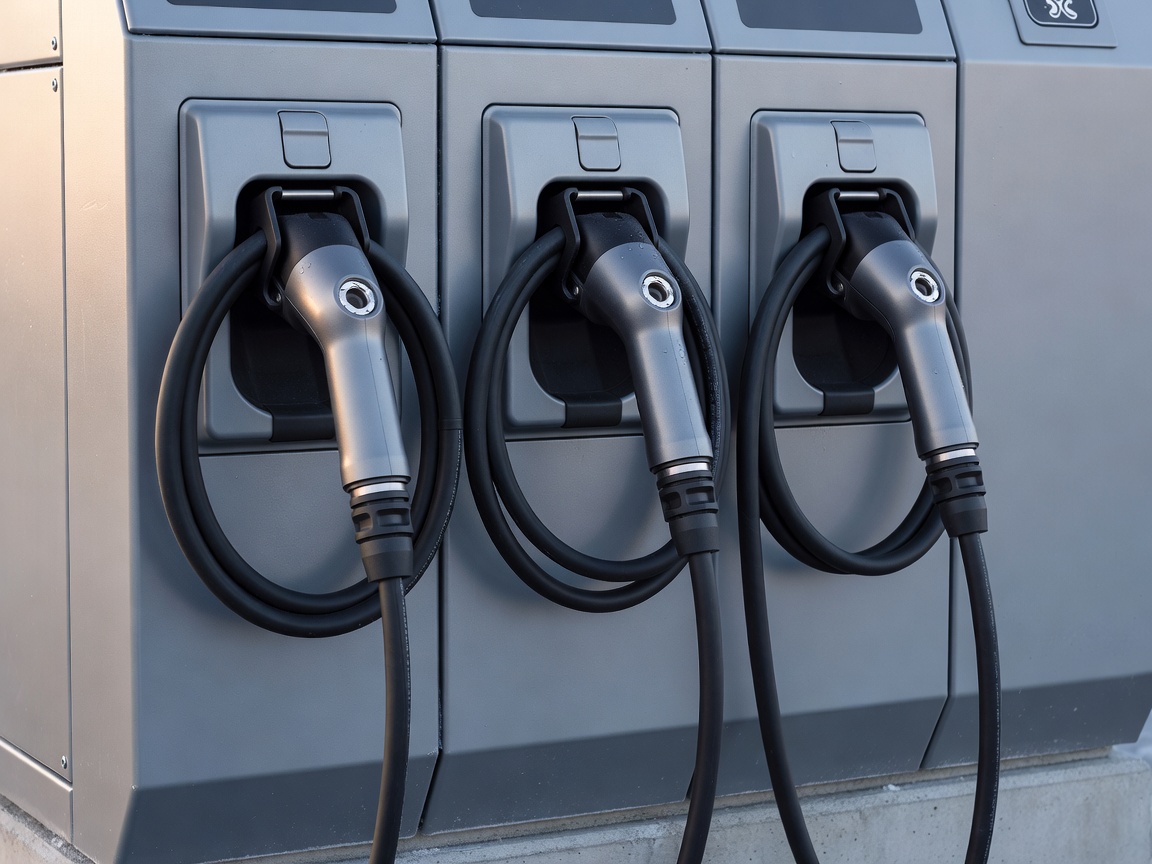
Direct Current (DC) rapid chargers, by contrast, bypass that internal vehicle bottleneck altogether. The off-board ground station carries immense AC-to-DC rectification equipment and feeds direct high-voltage electricity straight into your pack contactors. This allows delivery rates from 50 kW up to 350 kW or more, provided the vehicle's battery management system (BMS) permits it.
The "Cold Battery Bottleneck" Rule
Plugging a frozen vehicle pack (below 0°C) into a 300 kW DC charger will almost never yield 300 kW immediately. The vehicle will intentionally throttle input down to 35–45 kW until the thermal management loop warms the cells above roughly 18°C. Always trigger preconditioning via your navigation at least 30 minutes before arrival.
Connectors & Physical Interfaces in the North
Scandinavia has largely settled on standardized connectors, but practical winter nuances persist:
- Type 2 (Mennekes): The universal standard for European AC charging. Most public AC stations in Norway, Sweden, and Finland are untethered, meaning you must supply your own Mode 3 Mennekes cable. Keep this cable in an accessible frunk or underfloor well, not buried under heavy holiday luggage.
- CCS Combo 2: The unquestioned standard for high-power DC charging across the European continent. It combines the Type 2 pin layout with two large DC pins below.
- CHAdeMO: Still present at older utility sites, particularly for earlier Japanese vehicles, but increasingly phased out on newly installed Nordic transit hubs.
Charging Habits for Battery Health and Time Conservation
A common misconception among petrol drivers newly transitioning to electric driving is the impulse to always charge to 100% at every highway stop. On modern lithium-ion chemistries, the charging curve drops drastically once the pack reaches 75% to 80% State of Charge (SoC).
Charging from 10% to 80% might take 22 minutes at a modern dispenser; charging from 80% to 100% can easily take an additional 35 to 45 minutes because the BMS must taper voltage to prevent lithium plating on the cell anodes. For fast touring, hop between rapid chargers in the 10% to 70% zone where the pack drinks power freely.